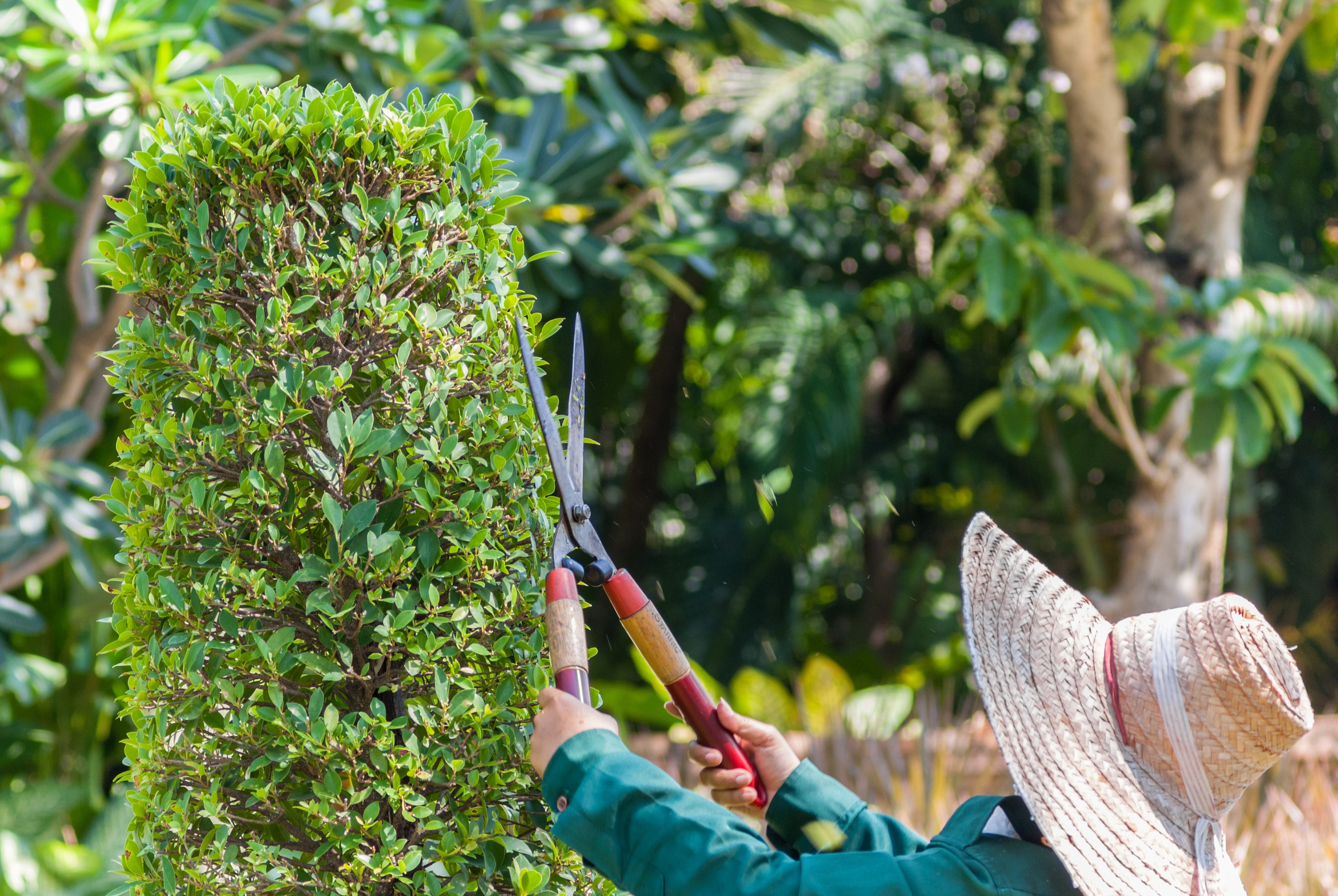
If there’s one tree question I get more than anything else, it’s this: “When is the best time to prune my trees?” And I get it—pruning feels intimidating. When I first started learning about tree care, I made the classic mistake of trimming my red oak smack in the middle of summer because “the leaves were in the way.” That little experiment cost me a stressed-out tree, a swarm of insects, and a very humbling lesson.
So let me save you the trouble: the best time to prune most trees is during late winter, just before spring growth begins. But let’s break down why, when exceptions apply, and what I’ve personally learned from pruning the wrong way (so you don’t have to).
🌳 Why Late Winter Is the Best Time to Prune
Late winter—typically January through early March in North Texas—is considered the ideal pruning window for most species. Here’s why:
1. Trees are dormant
When a tree is “asleep,” it’s easier on the tree to make cuts. You’re not interrupting active growth or forcing the tree to redirect energy.
2. You can see what you’re doing
No leaves = you can easily spot crossing branches, dead limbs, and weak attachment points.
3. Lower risk of pests and disease
This is something I learned the hard way. Once, I pruned a pecan tree in late spring, and the fresh cuts attracted insects faster than I could pack up my tools. Dormant pruning avoids this completely.
4. Faster, healthier recovery
Fresh cuts in late winter start healing right when spring growth arrives.

☀️ When NOT to Prune Trees
Not all pruning windows are created equal. Years of experience have taught me this:
Avoid pruning in late spring and summer.
Trees are working hard during this time—growing, leafing out, producing energy. Pruning during peak growth can stress them, slow recovery, and attract pests.
Never prune oaks between February 1–June 30.
This is prime oak wilt season in Texas. I’ve seen entire yards lose oak trees from one bad cut. Always wait until mid-summer through early winter for oaks.
Skip pruning during freezing rain or drought.
Extreme weather = weakened trees, and weakened trees do not respond well to cuts.

🌱 Exceptions: When It’s Okay to Prune Anytime
There are a few situations where timing doesn’t matter—you prune simply because you have to.
1. Dead or broken branches
After a storm, I’ve had to remove snapped limbs in the middle of summer. Safety first, always.
2. Diseased or insect-infested branches
If something is spreading, you remove it ASAP to protect the rest of the tree.
3. Emergency clearance
Sometimes branches hit your roof, block a driveway, or rub against siding. In those cases, I prune immediately, no matter the season.

🍁 Season-by-Season Pruning Guide
Here’s the cheat sheet I use:
Late Winter (Best Time)
-
Most shade trees
-
Fruit trees (Read more about growing fruit trees in Texas)
-
Crape myrtles (light shaping—don’t top them!) Read our article about crown reduction vs. topping.
-
Elms, maples, ash, pecans, and more
Early Spring
-
Light touch-ups only
-
Remove small branches before leaf-out
Summer
-
Avoid heavy cuts
-
Only prune for safety or damage
Fall
-
Skip pruning—trees are preparing for dormancy, not healing
-
Exception: remove dead limbs anytime
🔧 My Real-World Lesson: The Tree That Taught Me Timing Matters
Years ago, I had a live oak that grew a little wild—beautiful, but the branches hung low enough to brush the car as I pulled in. One summer afternoon, I grabbed my pruning saw and decided, “I’ll just take off a few branches.”
Bad idea.
Within a week, the fresh cuts had attracted beetles, and by the end of the season, the oak was showing signs of stress. When I finally had an arborist take a look, he explained something I’ll never forget:
“Trees are living systems. Timing isn’t just helpful—it’s essential.”
Ever since then, I’ve stuck strictly to late-winter pruning for healthy trees, and I’ve never had an issue again.
⭐ So, When Should You Prune a Tree?
Here’s the short answer:
👉 Most trees should be pruned in late winter—January through early March.
👉 Skip pruning in late spring and summer unless it’s dead, damaged, or dangerous.
👉 Avoid pruning oaks during oak wilt season (Feb–June).
👉 When in doubt, safety pruning can happen anytime.
Pruning at the right time keeps your trees healthy, strong, and beautiful for years to come. It also saves you money—trees pruned at the proper time need fewer treatments, heal faster, and are less prone to breakage.

Wrapping Up
Keeping your trees healthy doesn’t have to be complicated—just a little timing and proper care go a long way. If you need expert help with pruning, tree removal, or year-round maintenance, Torres Tree Service is here to take the guesswork out of it.
Call today to schedule professional tree and shrub trimming services you can trust!
FAQ about Pruning Trees
What months should you not trim trees?
Avoid trimming trees in late spring and summer (typically May through August) because this is peak growing season, which can stress the tree and attract pests.
What are the 5 rules of pruning trees?
The five main rules are: prune at the right time, remove dead or diseased wood first, never remove more than 25% of the tree at once, make clean cuts just outside the branch collar, and avoid topping or cutting back large limbs unnecessarily.
What is the TX law regarding trees overhanging?
In Texas, you’re legally allowed to trim branches that hang over your property line, but you must not damage the tree or enter your neighbor’s property without permission.
Should you trim trees in the fall?
Fall pruning is generally discouraged because freshly cut limbs heal slowly in cooler weather, leaving trees more vulnerable to disease and stress.
michelle
As a seasoned content writer for the home services industry, I specialize in creating accurate and approachable articles on tree care and removal. With a bachelor’s degree in Human Development and Family Studies and a master’s in Education, I bring a thoughtful, research-driven approach to every piece. For the past four years, I’ve worked alongside certified arborists and experienced tree professionals to craft content that helps homeowners understand issues like root damage, tree health, pruning techniques, and safe removal practices.