
Ever put on a cozy sweater the moment you feel that first crisp, autumn chill? We humans have it easy. We can check the weather app or just feel the temperature drop.
But have you ever looked at a massive, stationary tree and wondered, “How does that know it’s time to batten down the hatches for winter?” It’s not like it can check a calendar.
The truth is, trees are master meteorologists, and they rely on a sophisticated set of signals to begin their incredible winter preparations. Let’s break down the three biggest cues that tell a tree, “Winter is coming.”
1. The Big One: Shorter Days & Longer Nights
Forget the thermometer for a second. The most reliable signal for a tree is photoperiod—the length of daylight.
As summer wanes, the days get progressively shorter. Trees have a light-sensing pigment called phytochrome that is incredibly sensitive to these changes. This is their most accurate calendar. While temperature can be fickle—a warm spell in October, for example—the shortening of days is a constant, predictable event every single year.
This is the primary trigger that tells the tree to start the complex process of shutting down its systems.
2. The Co-Signaler: Dropping Temperatures
While daylight is the main trigger, cooling temperatures act as a crucial secondary signal. They confirm what the shorter days are already suggesting.
The cooler weather, especially chilly (but not yet freezing) nights, accelerates the processes that the shorter days initiated. It tells the tree to:
-
Stop making food: It signals the tree to halt photosynthesis and absorb as many valuable nutrients from the leaves as possible.
-
Harden off: The tree begins to “harden” its tissues, moving water out of its cells to prevent them from bursting when ice crystals form.
3. The Visible Result: Changes in Leaf Color & Drop
You might think this is the signal, but it’s actually the magnificent result of the tree responding to the first two signals.
As the tree prepares for dormancy, it forms a layer of corky cells at the base of each leaf stem, called the abscission layer. This layer seals off the connection between the leaf and the branch.
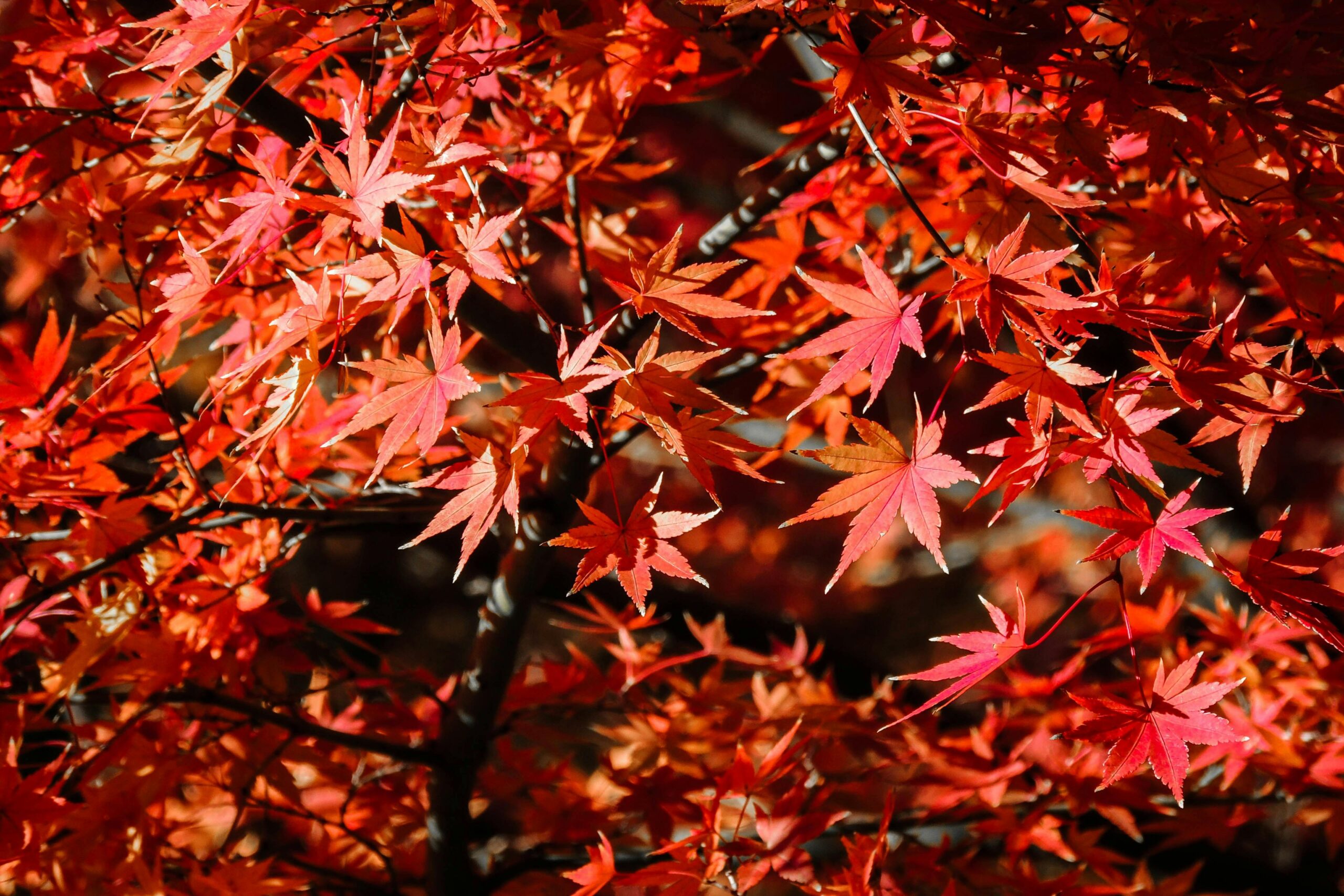
Once this seal is formed, the flow of water and nutrients to the leaf stops, and the green chlorophyll breaks down. This unveils the brilliant yellows, oranges, and reds (anthocyanins and carotenoids) that were there all along, hidden by the green. Eventually, the abscission layer completely cuts the leaf loose, and it falls.
The tree isn’t being messy; it’s conserving energy and protecting itself from water loss through the leaves during the frozen winter.
The Tree’s Winter Preparation Signal Chain

How You Can Help Your Trees Prepare
Nature does most of the work, but you can give your trees a helping hand. The best thing you can do is to ensure they are healthy and strong before they receive these winter signals.
A key part of this is proper pruning. Removing dead, damaged, or diseased branches before winter reduces the risk of breakage from heavy snow and ice. It also helps the tree direct its energy to its healthy limbs, making it more resilient.
Thinking about giving your trees a pre-winter health check? Our expert team can assess your trees and provide a gentle, professional trim to set them up for success. Learn more about our Tree and Shrub Trimming Services to get started!
So the next time you see a tree ablaze with autumn color, you’ll know it’s not just a pretty sight. It’s a visible sign of an intricate, ancient survival strategy, triggered by the silent, steady shortening of the days.
FAQ about Winter Tree Prep
You’ve got questions, we’ve got answers! Here are some of the most common things homeowners wonder about as their trees get ready for the cold.
Q: Do warmer autumns due to climate change confuse trees?
A: They can, and it’s a fascinating phenomenon. Since a tree’s primary signal is shorter days, it will still begin to prepare for winter. However, unseasonably warm temperatures can delay the process, cause slower color changes, or even trigger a second, weak growth spurt. This can leave the tree more vulnerable if a sudden, hard freeze follows.
Q: Why do some trees change color later than others?
A: Different tree species have different schedules and sensitivities! For example, Oaks and Beeches are often late-changers and may hold onto their brown leaves throughout winter (a trait called marcescence). Maples, on the other hand, are often some of the first to put on a brilliant show. It all depends on their genetic programming.
Q: Is it better to rake leaves in the fall or leave them until spring?
A: This is a great question for lawn and garden health. A thick, matted layer of leaves can smother your lawn over the winter. However, you don’t have to bag them all! Our recommendation: Rake leaves off the grass to prevent lawn damage, but then shred them with a mower and add them to a compost pile or use them as mulch in your flower beds. This returns valuable nutrients to your soil.
Q: Can I fertilize my trees in the fall?
A: Generally, it’s best to avoid high-nitrogen fertilizers in late fall, as this can promote new, tender growth that will be killed by the frost. If your soil test indicates a need, a slow-release, root-strengthening fertilizer can be applied after the tree has gone dormant (after leaf drop).
Q: How does proper trimming before winter actually help?
A: Excellent question! A professional trim before winter serves two critical purposes:
-
It reduces storm damage: Removing dead, weak, or overextended limbs minimizes the risk of them breaking under the weight of ice and snow, which could damage your property or the tree itself.
-
It conserves the tree’s energy: By getting rid of unnecessary or compromised branches, the tree can direct all its stored energy into its healthy limbs and root system, leading to a stronger burst of growth in the spring.
Is your tree ready for its winter rest? Give it the best care with a professional assessment and trim. Contact Torres Tree Service for a free quote today!

michelle
As a seasoned content writer for the home services industry, I specialize in creating accurate and approachable articles on tree care and removal. With a bachelor’s degree in Human Development and Family Studies and a master’s in Education, I bring a thoughtful, research-driven approach to every piece. For the past four years, I’ve worked alongside certified arborists and experienced tree professionals to craft content that helps homeowners understand issues like root damage, tree health, pruning techniques, and safe removal practices.