
Winter can be confusing when it comes to plants. Some look perfectly fine after a cold night, while others collapse without warning—even when the forecast didn’t seem that bad. If you’ve ever wondered why one plant survives winter and another doesn’t, the answer usually has less to do with the plant itself and more to do with where, when, and how it’s grown.
This article breaks down which plants can actually survive winter, which ones only make it with protection, and which should never be left outside once temperatures drop. You’ll also learn how to spot the warning signs before cold damage happens—so you can make smarter decisions and stop losing plants to surprise freezes.
What “Winter-Surviving” Actually Means
This is where most articles get it wrong.
A plant that “survives winter” could mean:
-
It stays green all winter
-
It dies back and returns in spring
-
It survives only with protection
-
It lives outdoors temporarily, not permanently
Knowing which category a plant falls into matters more than the plant name itself.
Plants That Truly Survive Winter Outdoors
These plants are cold-hardy and meant to stay outside—even through freezes.
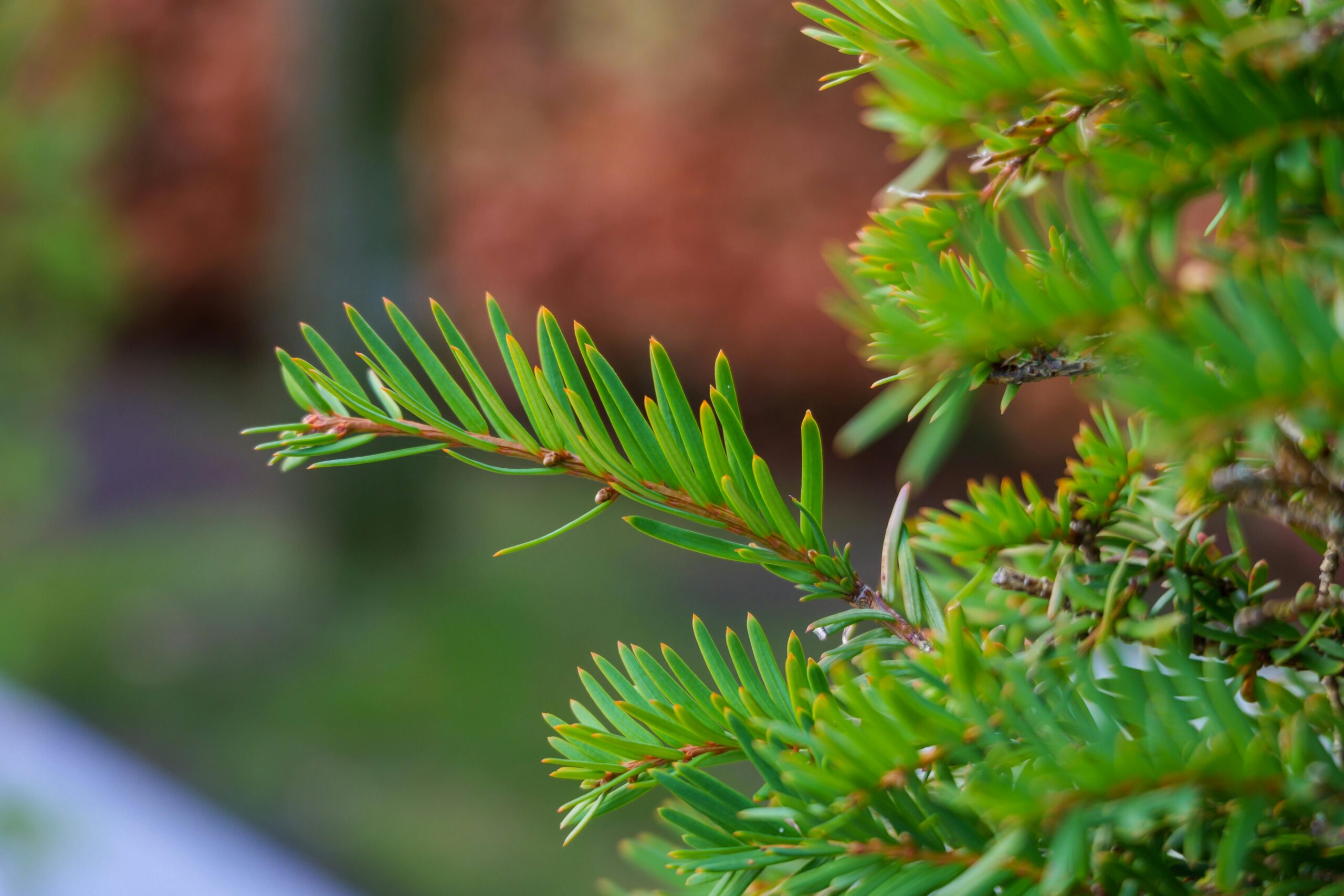
🌲 Evergreen Shrubs & Trees
Examples: Boxwood, juniper, holly, pine, spruce
Why they survive:
They’ve adapted to cold by slowing growth, thickening cell walls, and retaining needles instead of delicate leaves.
Real-world tip:
Mulch deeply before the first hard freeze. In my experience, mulched evergreens handle temperature swings far better than exposed roots.
Read one of our other articles that lists the best shrubs for North Texas.

🥬 Cold-Tolerant Ornamentals
Examples: Ornamental kale, cabbage, pansies, violas
What surprised me:
These plants actually look better after a frost. Their color deepens once temperatures drop.
Actionable tip:
Plant them in full sun. Shade-grown winter annuals struggle far more in cold snaps.

🌾 Perennials That “Sleep” Through Winter
Examples: Hostas, daylilies, black-eyed Susans
They don’t stay pretty—but they survive.
What’s happening:
The top growth dies back, but the roots stay alive underground.
Mistake I see often:
People overwater dormant plants. Wet soil + cold = root rot.

🌴 Tropical & Semi-Tropical Plants
Examples: Hibiscus, croton, citrus trees in pots
They survive winter if:
-
Temps stay above ~55°F
-
They’re in containers
-
You move them indoors during cold fronts
Real mistake I’ve made:
Leaving them out “one more night.” That’s all it takes.

Plants That Handle Winter With Limits
Some plants don’t truly belong outdoors all winter, but they’re also not strictly houseplants. These plants can stay outside during mild stretches—as long as you’re paying attention and ready to act when temperatures change.
Hibiscus: Hardy in Warm Spells, Vulnerable in Cold
Hibiscus plants often look tough, but they’re surprisingly sensitive to cold. In early winter or during warmer-than-average weeks, hibiscus can remain outdoors without issue. The trouble starts when nighttime temperatures dip unexpectedly.
What I’ve seen happen repeatedly:
-
The plant looks healthy after a cool night
-
Leaves begin yellowing a few days later
-
Buds drop before opening
Cold stress isn’t always immediate—it often shows up days after exposure.
What actually works in real conditions:
-
Keep hibiscus in containers, not in-ground during winter
-
Place them near south- or east-facing walls for warmth
-
Move them indoors or into a garage once temps approach 50°F
An easy rule to remember:
If overnight lows fall below 50°F, hibiscus should come inside—even if daytime temperatures feel warm.

Plants That Do Not Survive Winter Outdoors
Let’s be honest—some plants are indoor-only no matter how careful you are.
🚫 True tropical houseplants
🚫 Plants labeled “annual” in cold climates
🚫 Anything not rated for your USDA hardiness zone
If it’s native to a beach climate, winter outside isn’t its friend.

How to Know If a Plant Will Survive Winter (Without Guessing)
Here’s the checklist I actually use:
✔ Check the lowest temperature, not daytime highs
✔ Know if the plant is cold-hardy or just cold-tolerant
✔ Watch soil moisture—wet soil kills faster than cold
✔ Use mulch like insulation, not decoration
✔ Move potted plants before the freeze—not after
If you follow this, you’ll save more plants than any plant label ever will.
Pros & Cons of Keeping Plants Outdoors in Winter
Pros
-
Natural dormancy cycles
-
Better air circulation
-
Less indoor pest pressure
Cons
-
Frost damage risk
-
Wind desiccation
-
One bad night can undo months of care
Honest truth? Some plants are worth the effort. Some aren’t.
Why Some Plants Live and Others Don’t
Think of plants like people.
Some wear winter coats.
Some need sweaters.
Some belong at the beach.
Put the wrong one outside in winter, and it doesn’t matter how nice the pot is.
Winter Plant Survival Guide: What Lives, What Struggles, and Why
| Plant Type | Can It Survive Winter Outdoors? | Temperature Tolerance | What Actually Happens in Winter | Real-World Survival Tips |
|---|---|---|---|---|
| Evergreen Shrubs & Trees (Boxwood, Juniper, Holly) | ✅ Yes | 0°F to 20°F+ (varies by species) | Stay green but slow growth | Mulch roots 2–3″, water before freezes, protect from winter wind |
| Cold-Tolerant Annuals (Pansies, Violas, Ornamental Kale) | ✅ Yes | 20°F–30°F | Color deepens after frost | Full sun improves cold tolerance; avoid soggy soil |
| Perennials (Hostas, Daylilies) | ✅ Yes (Dormant) | Below freezing | Top growth dies; roots survive underground | Cut back dead foliage; do not overwater dormant plants |
| Poinsettias | ⚠️ Temporarily | Above 55°F | Thrive in warmth; collapse after cold snaps | Use pots, bright shade, bring indoors before temps drop |
| Semi-Tropical Plants (Hibiscus, Citrus in pots) | ⚠️ With protection | 45°F–55°F minimum | Leaf drop if cold-stressed | Move indoors during cold fronts; avoid full winter sun |
| Tropical Houseplants (Croton, Monstera) | ❌ No | 60°F+ | Cold damage occurs quickly | Indoor only during winter |
| Succulents (non-hardy) | ❌ No | Above freezing | Freeze damage destroys cells | Bring indoors or into a greenhouse |
| Hardy Groundcovers (Liriope, Ivy) | ✅ Yes | Below freezing | May brown but rebound in spring | Mulch lightly; avoid pruning until spring |
Final Thoughts
So—what plants can survive in winter?
Cold-hardy plants survive easily.
Semi-tropical plants survive with protection.
Tropical plants survive only indoors.
Once you stop guessing and start managing temperature, placement, and moisture, winter plant care becomes predictable—not stressful.
And if you’re ever unsure? That’s where professional guidance helps.
Need Help Choosing or Protecting Winter Plants?
Torres Tree Service can help North Texas homeowners choose plants that actually work—season after season. Head over to our landscape design and installation service page.
michelle
As a seasoned content writer for the home services industry, I specialize in creating accurate and approachable articles on tree care and removal. With a bachelor’s degree in Human Development and Family Studies and a master’s in Education, I bring a thoughtful, research-driven approach to every piece. For the past four years, I’ve worked alongside certified arborists and experienced tree professionals to craft content that helps homeowners understand issues like root damage, tree health, pruning techniques, and safe removal practices.