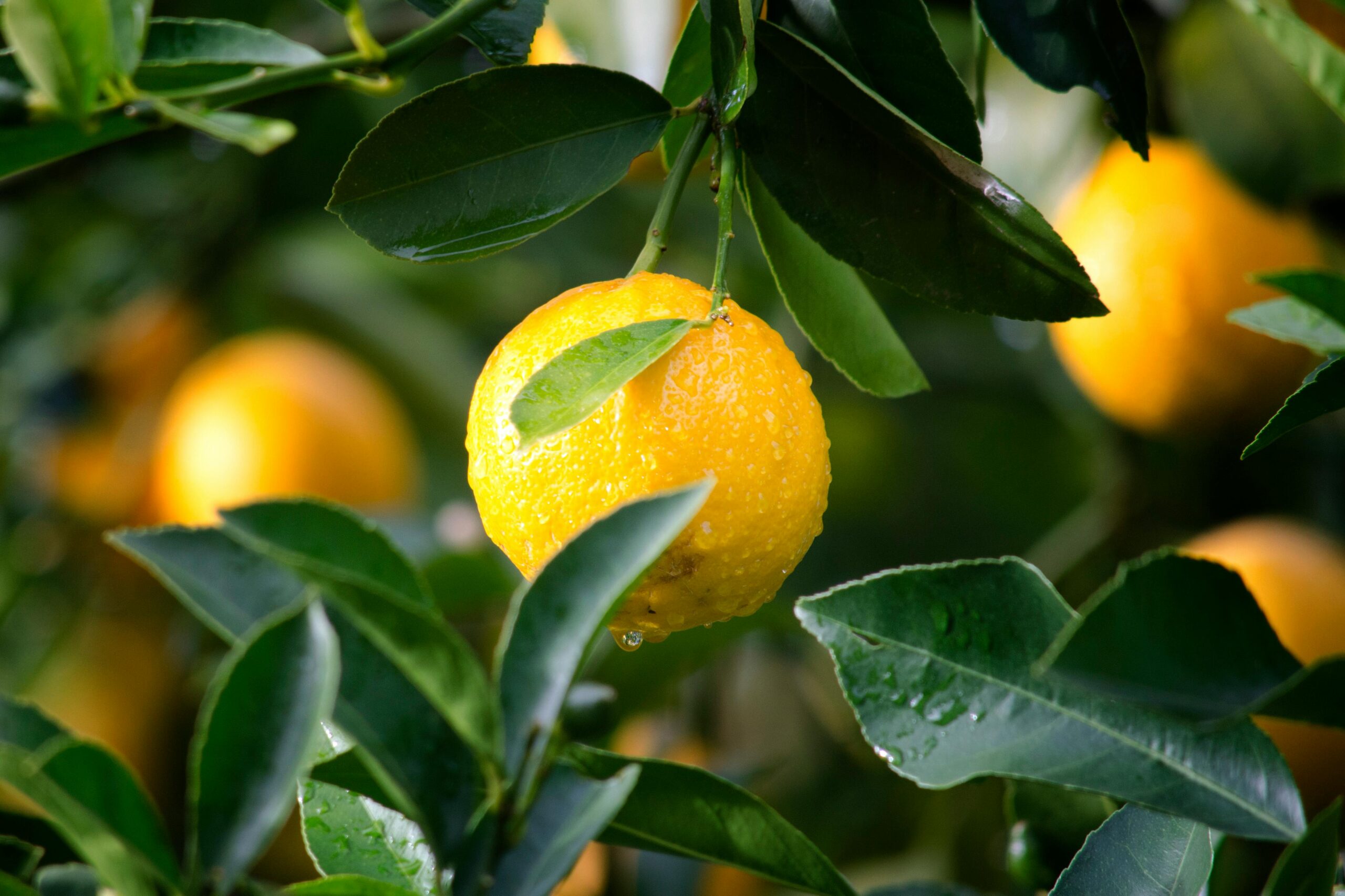
There’s nothing quite like the satisfaction of plucking a sun-warmed lemon or orange from your own backyard tree. Here in North Texas, with our unique climate, growing citrus is a rewarding but specific endeavor. While we focus on proper watering, fertilization, and winter protection, one often overlooked secret to a thriving citrus tree lies in what you plant around it.
Choosing the wrong neighbors for your citrus can lead to fierce competition for water, attract harmful pests, and even increase the risk of disease. To ensure your Meyer lemon, Satsuma, or other citrus varieties produce their best, here’s a guide to what not to plant in their vicinity.
The North Texas Citrus Context
Our citrus trees here face a few specific challenges: hot, dry summers, occasionally brutal winter freezes, and alkaline, often clay-heavy soil. Successful citrus trees need maximum sun exposure, excellent drainage, and minimal root disturbance. Citrus root systems are surprisingly shallow and prefer to soak up moisture and nutrients without fighting aggressive competitors.

Plants to Keep Away from Your Citrus Trees
1. Heavy Drinkers and Water-Hungry Plants
Citrus trees like consistent moisture but absolutely despise “wet feet,” which can lead to fatal root rot. Avoid planting water-loving species nearby that will require excessive watering, potentially waterlogging the soil your citrus calls home.
-
Examples: Willow trees, water-loving annuals like impatiens, or some perennial grasses.
-
The Risk: You’ll either underwater them, stressing both plants, or overwater the area, creating a soggy environment that harms the citrus roots.
2. Deep-Rooted or Large Shade Trees
This is a critical mistake. Citrus trees are sun worshippers and need a full 6-8 hours of direct sunlight daily to produce sweet, plentiful fruit.
-
Examples: Large oaks, maples, or even tall, fast-growing shrubs.
-
The Risk: The canopy will shade out the citrus, reducing its energy for fruiting. Furthermore, the large tree’s extensive root system will aggressively outcompete the citrus for every drop of water and nutrient in the soil.
3. Plants That Harbor Pests
Some plants can act as a magnet or breeding ground for insects that will then attack your citrus.
-
The Ant Connection: Ants themselves don’t harm citrus, but they “farm” harmful pests like aphids, scale, and mealybugs for their sweet excretions. If you see ants marching up your tree trunk, they are a sign of another infestation. For a detailed guide on breaking this cycle, read our piece on how to keep ants out of fruit trees.
-
The Risk: Planting flowers or shrubs that are prone to aphids or scale near your citrus can invite a major pest problem.
4. Lawn Grass Right Up to the Trunk
It might look tidy, but allowing grass to grow directly against the trunk is a bad idea.
-
The Risk: Lawnmowers and string trimmers can easily damage the thin bark of the citrus trunk, creating a wound that invites disease and pests. Furthermore, turfgrass is a fierce competitor for water and nutrients, often leaving the citrus tree deprived.

What to Do Instead
-
Mulch: Maintain a grass-free circle around the tree (about 3-5 feet in diameter) and apply a layer of organic mulch, like wood chips. Keep the mulch a few inches away from the trunk itself to prevent moisture buildup and rot. Read our article that explains how to apply mulch around trees.
-
Choose Shallow-Rooted Companions: If you want to underplant, opt for very shallow-rooted, low-water plants that won’t disturb the roots. Some gardeners have success with sweet alyssum or shallow-rooted herbs, but always monitor for competition.
-
Prioritize Space: Give your citrus tree plenty of room to grow, both above and below ground. The best neighbor for a citrus tree is often just open, mulched soil.
What Not to Plant Near Your North Texas Citrus Trees
| Category of Plant | Examples | Reason to Avoid |
|---|---|---|
| Water-Hungry Plants | Willow Trees, Impatiens, Some Grasses | Creates overly wet soil, leading to root rot in citrus. |
| Large Shade Trees | Oaks, Maples, Tall Fast-Growing Shrubs | Blocks essential sun and aggressively competes for water & nutrients. |
| Pest-Attracting Plants | Plants prone to Aphids/Scale (e.g., some Roses) | Attracts ants and harmful insects that can infest your citrus tree. |
| Lawn Grass | Bermuda, St. Augustine | Trunk damage from mowers and competition for resources |
Set Your Garden Up for Success
A beautiful and productive landscape is all about putting the right plant in the right place. Thoughtful planning prevents problems and allows every element of your garden to thrive. If you’re looking to redesign your space or need expert advice on the best placement for your new citrus trees, our team is here to help. Explore our professional landscape design and installation services to create a North Texas yard that’s both beautiful and bountiful.
By being mindful of what you plant near your citrus trees, you’re giving them the best possible foundation for health and productivity. Happy growing.

michelle
As a seasoned content writer for the home services industry, I specialize in creating accurate and approachable articles on tree care and removal. With a bachelor’s degree in Human Development and Family Studies and a master’s in Education, I bring a thoughtful, research-driven approach to every piece. For the past four years, I’ve worked alongside certified arborists and experienced tree professionals to craft content that helps homeowners understand issues like root damage, tree health, pruning techniques, and safe removal practices.