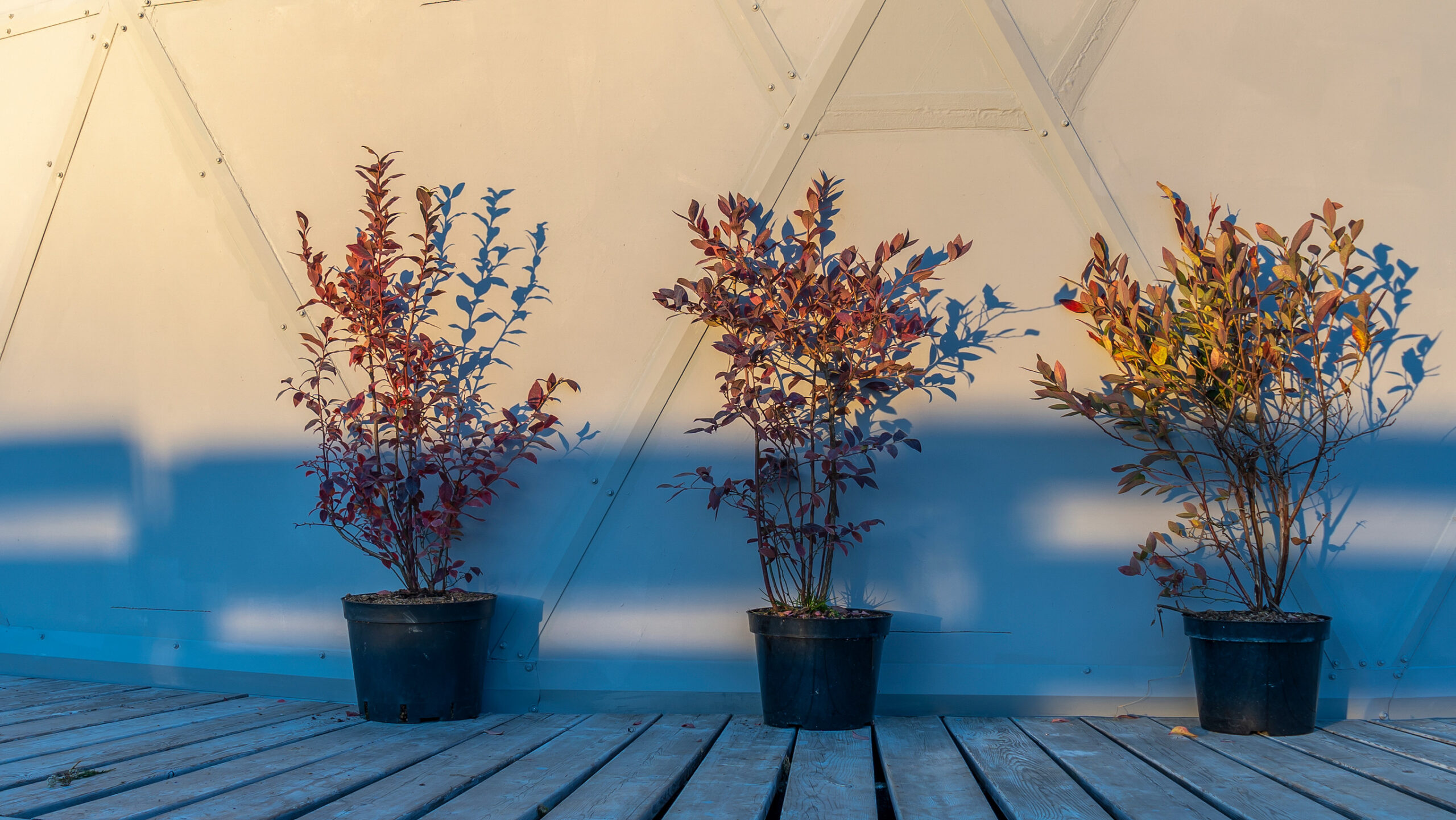
Planting a tree in your front yard is one of the best investments you can make for your home. The right tree in the right place boosts curb appeal, adds shade, and can even increase property value. But poor tree placement can lead to costly problems like cracked sidewalks, blocked views, or roots invading plumbing lines. This guide walks you through smart front yard tree placement, using real-world experience and practical tips homeowners can actually use.
Why Front Yard Tree Placement Matters
Tree placement isn’t just about aesthetics—it affects long-term tree health, home safety, and maintenance costs. Trees planted too close to structures or utilities often require aggressive pruning or early removal.
Quick Answer:
Proper tree placement in the front yard ensures healthy growth, protects your home and sidewalks, and enhances curb appeal without creating future problems.
Key Factors to Consider When Placing a Tree
1. Distance From the House
Large shade trees need room to grow. Planting too close can cause foundation issues, roof damage, and blocked windows. Read one of our other articles titled, “Do Tree Roots Damage Foundation?”
Rule of Thumb:
-
Small trees: at least 10–15 feet from the house
-
Medium trees: 15–25 feet
-
Large trees: 25–40 feet
2. Root Systems and Hardscapes
Tree roots spread far beyond the canopy. Planting near driveways, sidewalks, or underground utilities leads to lifting and cracking over time.
Real-World Tip:
We often see sidewalk damage caused by fast-growing trees planted without considering mature root spread.
3. Sunlight and Exposure
Trees need enough sunlight to thrive, but placement should also consider how shade affects your home. Strategic placement can reduce cooling costs in summer while allowing winter sunlight through.
4. Visibility and Safety
Avoid planting trees where they block sightlines for driveways or intersections. Front yard trees should enhance—not interfere with—visibility and safety.
Best Trees for Front Yard Placement
Choose trees that fit the size and conditions of your yard. Native or regionally adapted species tend to require less maintenance and perform better long-term.
Popular Front Yard Tree Types
Choosing the right tree depends on your yard size, maintenance preferences, and climate. Here are three common front yard tree categories—with reliable, homeowner-friendly options in each:
Ornamental Trees for Smaller Yards
These trees stay relatively compact and are ideal for adding color and visual interest without overwhelming the space.
-
Crape Myrtle
-
Eastern Redbud

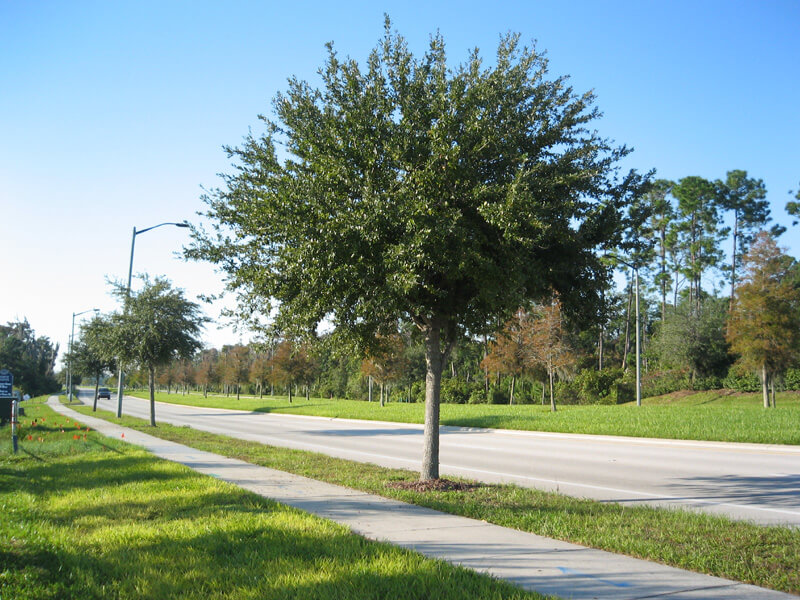
Shade Trees for Larger Front Lawns
Shade trees grow larger and provide cooling benefits, making them best suited for spacious front yards.
-
Live Oak
-
Bur Oak
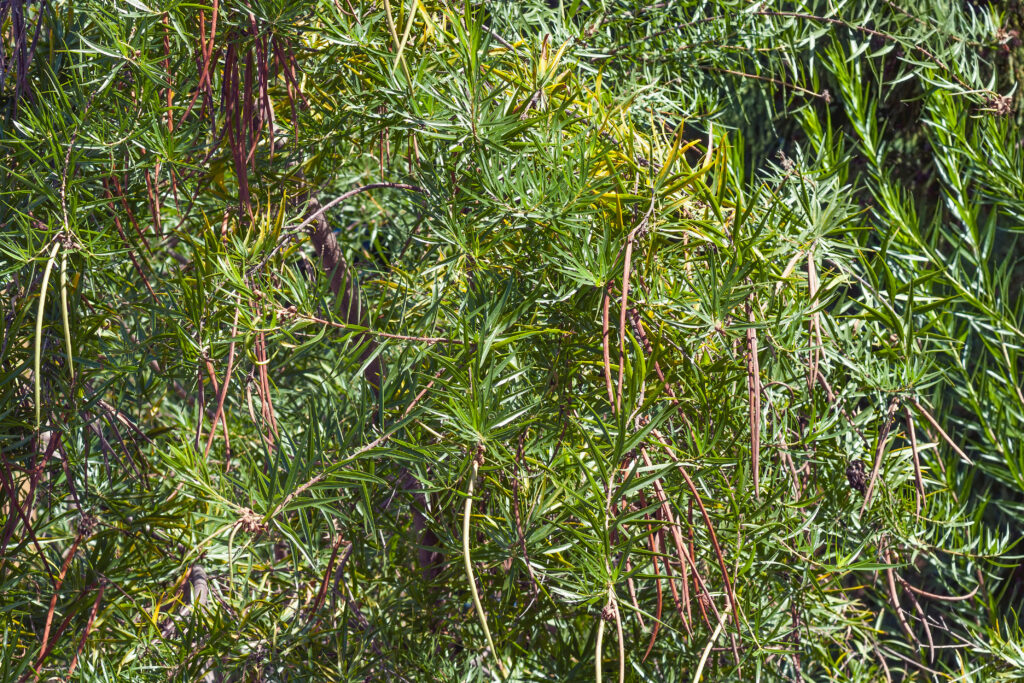
Drought-Tolerant Trees for Low-Maintenance Landscapes
These trees require less water once established and perform well in hot, dry conditions.
-
Cedar Elm
-
Texas Red Oak
Front Yard Tree Placement Chart
| Tree Size | Distance From House | Best Use | Examples |
|---|---|---|---|
| Small | 10–15 feet | Accents, entryways | Crape myrtle, redbud |
| Medium | 15–25 feet | Moderate shade, focal points | Mexican plum, lacebark elm |
| Large | 25–40 feet | Broad shade, large lawns | Live oak, bur oak |
Common Front Yard Tree Placement Mistakes
-
Planting too close to the home or sidewalk
-
Ignoring mature tree size
-
Choosing fast-growing trees with aggressive roots
-
Blocking driveway or street visibility
These mistakes often lead to expensive pruning, sidewalk repairs, or full tree removal later.

Real-World Value: What Homeowners Learn Too Late
Many homeowners focus on how a tree looks today, not how it will grow in 10–20 years. We regularly remove trees that were planted too close to homes decades ago—something that could have been avoided with proper planning from the start.
Should You Hire a Professional?
Professional tree placement considers soil conditions, drainage, root behavior, and long-term maintenance. A trained arborist or tree service can recommend species and placement that work with your property, not against it.
Final Thoughts
Thoughtful front yard tree placement protects your investment and enhances your home for decades. By considering mature size, root systems, sunlight, and safety, you can enjoy the beauty and benefits of trees without future headaches.
michelle
As a seasoned content writer for the home services industry, I specialize in creating accurate and approachable articles on tree care and removal. With a bachelor’s degree in Human Development and Family Studies and a master’s in Education, I bring a thoughtful, research-driven approach to every piece. For the past four years, I’ve worked alongside certified arborists and experienced tree professionals to craft content that helps homeowners understand issues like root damage, tree health, pruning techniques, and safe removal practices.