
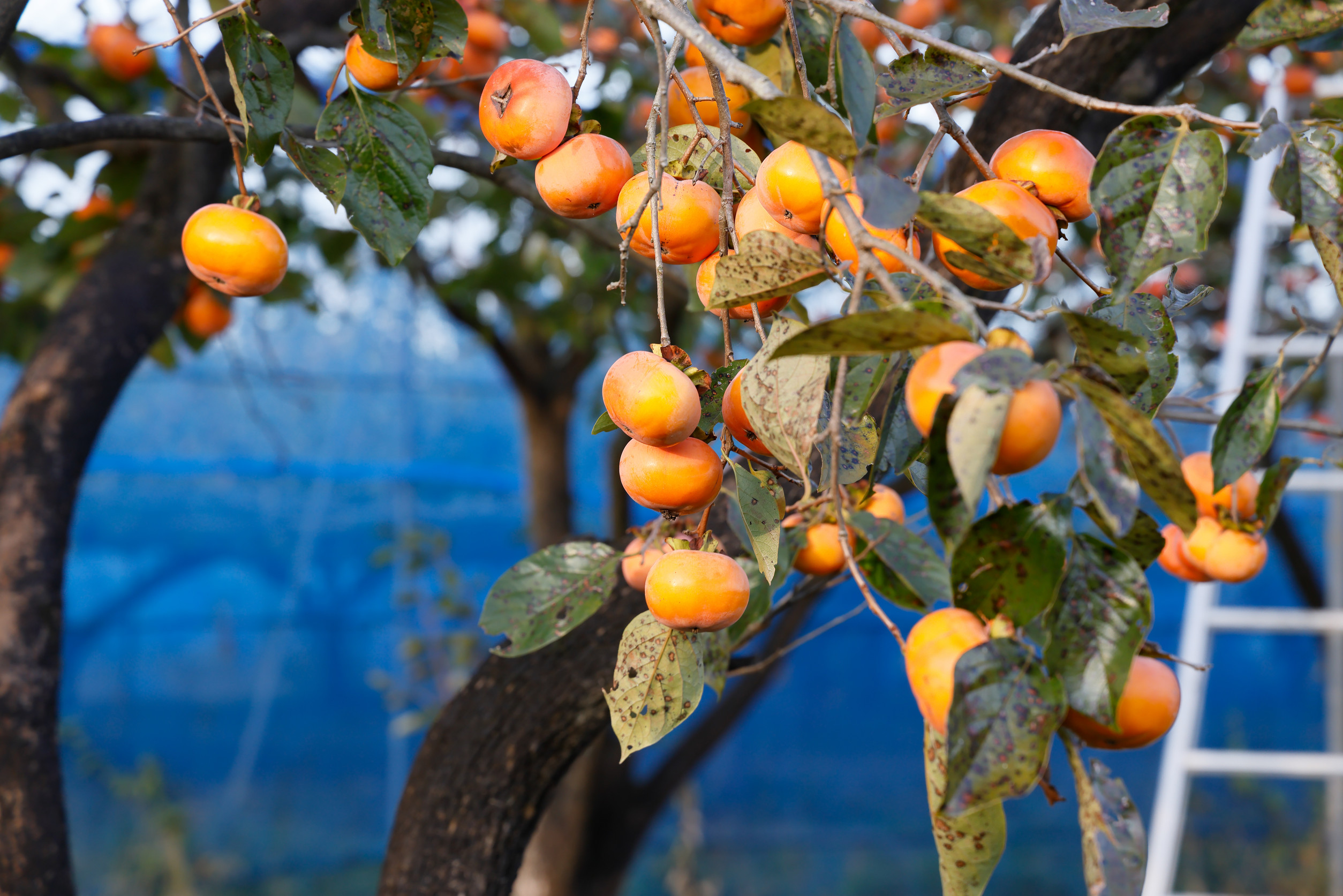
Imagine stepping into your backyard in the late fall to pluck a sweet, honey-flavored fruit right from your own tree. Persimmons offer exactly that—a uniquely delicious harvest and a beautiful ornamental tree that provides stunning autumn color. Whether you’re a seasoned gardener or a curious beginner, growing a persimmon tree is an incredibly rewarding experience.
Why Choose a Persimmon Tree?
Persimmons are remarkably well-suited for many home landscapes. They are generally pest-resistant, drought-tolerant once established, and require less maintenance than many other fruit trees. Their brilliant orange fall foliage and bright, hanging fruit add multi-season interest to any yard.
There are two main types to consider: the larger, sweet American persimmon (Diospyros virginiana) and the more common Asian or Japanese persimmon (Diospyros kaki), known for its non-astringent varieties that can be eaten crisp.
How to Plant and Grow Your Tree
1. Choosing the Right Variety:
For most Texas gardeners, Asian persimmon varieties like ‘Fuyu’ (non-astringent, eaten hard) or ‘Hachiya’ (astringent until soft-ripe) are excellent choices due to their adaptability and superior fruit size.
2. Planting:
The best time to plant is in the late fall or early spring. Select a site with well-drained soil and full sun (at least 6-8 hours of direct sunlight daily). Dig a hole twice as wide as the root ball but no deeper. Place the tree in the hole, backfill with native soil, and water thoroughly to settle the roots.
3. Care and Maintenance:
-
Watering: Water young trees deeply once a week to help establish a strong root system. Mature trees are quite drought-tolerant but will benefit from deep watering during extended dry spells.
-
Fertilizing: Apply a balanced fertilizer in late winter or early spring before new growth begins.
-
Pruning: Persimmons require minimal pruning. The primary goal is to maintain a strong structure by removing any dead, damaged, or crossing branches.
Pro Tip: While many persimmon varieties are self-fruitful, planting more than one tree can significantly increase your crop yield.

A Note on Other Great Texas Trees
While the persimmon is a fantastic choice, Texas homeowners have a wealth of beautiful trees to consider. Another brilliant option known for its spectacular summer blooms and exfoliating bark is the Crape Myrtle. Learning how to properly care for them ensures they remain a vibrant and healthy centerpiece in your landscape for years to come.

When to Call the Professionals
Caring for young trees and maintaining mature ones is key to their long-term health. While pruning a persimmon is often straightforward, other trees and shrubs on your property may need expert attention to promote growth, maintain shape, and prevent disease.
Is your landscape ready for a professional touch? Our team at Torres Tree Service is here to help. For pristine health and beauty, trust us for expert tree and shrub trimming services. Let us ensure your trees, from your new persimmon to established oaks, thrive for generations.
FAQ about Persimmon Trees
Do I need two persimmon trees to get fruit?
It depends on the variety. Many common Asian persimmon varieties like ‘Fuyu’ are self-pollinating and will produce fruit alone. However, American persimmons and some other varieties need a second, compatible tree for cross-pollination to bear fruit.
How long does it take for a persimmon tree to bear fruit?
A grafted persimmon tree from a nursery typically takes 2 to 3 years to bear its first fruit. If grown from seed, the tree can take significantly longer, often 5 to 7 years or more, to mature enough to produce.
How do you start a persimmon tree?
The most reliable method is to purchase a grafted sapling from a nursery, which ensures fruit quality and faster production. You can also start a tree from seed, but this requires cold stratification and results in a longer wait for fruit.
What month do you plant persimmon trees?
The ideal time to plant is during the dormant season. In most climates, the best months are late fall (after leaf drop) or early spring (before buds break), to allow the roots to establish before summer heat.
michelle
As a seasoned content writer for the home services industry, I specialize in creating accurate and approachable articles on tree care and removal. With a bachelor’s degree in Human Development and Family Studies and a master’s in Education, I bring a thoughtful, research-driven approach to every piece. For the past four years, I’ve worked alongside certified arborists and experienced tree professionals to craft content that helps homeowners understand issues like root damage, tree health, pruning techniques, and safe removal practices.