
Texas summers can be brutal—scorching heat, long dry spells, and water restrictions that leave many yards struggling. If you’ve ever tried to grow a thirsty tree in the middle of a Texas drought, you know it’s an uphill battle. The good news? There are plenty of drought-tolerant trees that thrive in our climate while still giving your yard beauty, shade, and value.
Why Choose Drought-Tolerant Trees?
Besides saving you from sky-high water bills, these trees are naturally adapted to survive with less water once established. That means they’ll be more resilient during hot, dry months and require less upkeep overall.
Great Drought-Tolerant Tree Options for Texas
If you’re looking to add hardy, low-maintenance trees that can handle the Texas sun, here are some of the best options to consider:
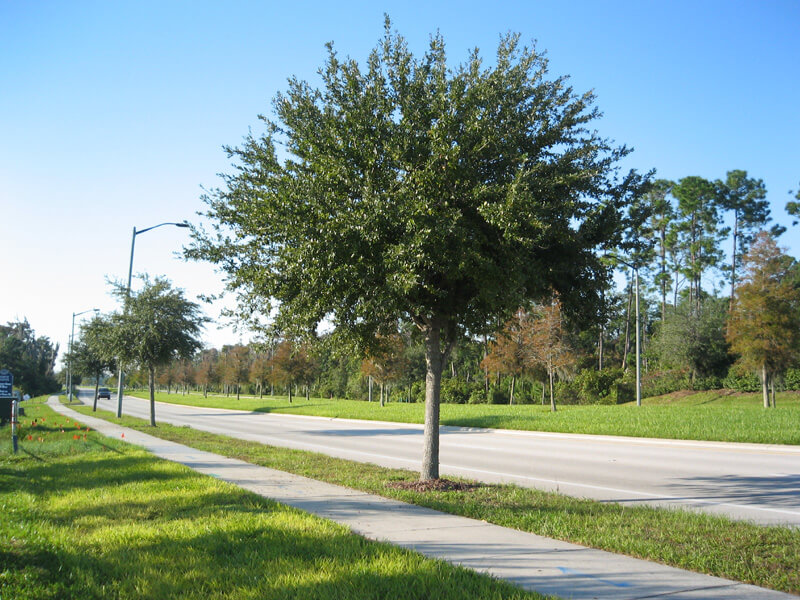
1. Live Oak
A Texas classic! Live oaks are tough, long-lived, and provide massive shade canopies. Once established, they need little supplemental watering.
2. Cedar Elm
One of the best native trees for North Texas. Cedar elms are disease resistant, hardy, and handle both heat and drought with ease.
3. Texas Red Oak
If you want fall color, the Texas red oak delivers with beautiful red foliage. It’s also highly tolerant of heat and dry soil.

4. Mexican Sycamore
Faster-growing than most, this tree offers large, showy leaves and can handle Texas summers when planted in the right spot.
5. Desert Willow
Perfect for smaller yards, desert willows produce gorgeous trumpet-shaped flowers and are extremely drought-hardy.

6. Crape Myrtle
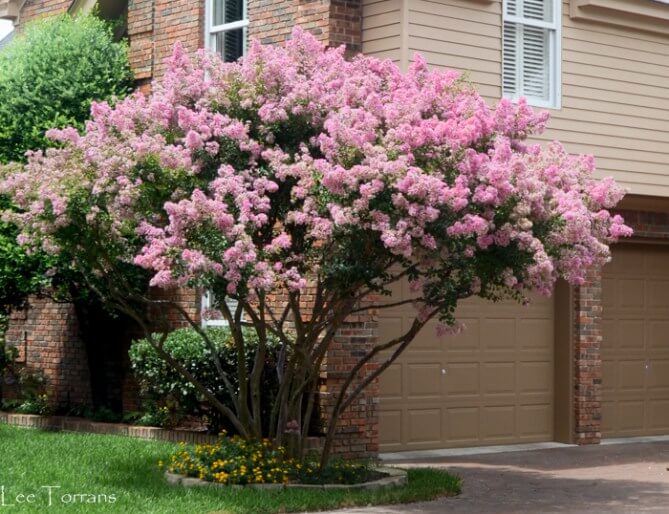
Known as the “lilac of the South,” crape myrtles burst with vibrant blooms in shades of pink, purple, red, and white during the summer. They’re hardy, drought-tolerant once established, and a great way to add color to your landscape. Read our article about how to care for crape myrtle trees.
Don’t Forget Mulch
Even drought-tolerant trees benefit from a little extra care. Applying mulch helps soil retain moisture and protects roots from heat. Not sure the best way to do it? Here’s a guide on how to apply mulch around trees that walks you through the process step by step.
Just because a tree is labeled “drought-tolerant” doesn’t mean it’s “no-care-needed.” Planting a drought-resistant tree is a fantastic, water-wise choice for your landscape, but it needs proper care, especially in its first few years, to become the resilient, established beauty it’s meant to be.
Avoid “Volcano” Mulching: Piling mulch against the trunk is a common killer of trees. It holds moisture against the bark, leading to rot and disease. Always shape mulch like a donut, not a volcano.
Think of it like training an athlete: they have natural talent, but they need coaching and support to reach their full potential. This guide and chart will help you provide the right care at the right time.
The Golden Rule: The Establishment Period
The most critical concept to understand is the establishment period—the time it takes for a tree to grow a root system strong enough to survive on its own. For drought-tolerant trees, this typically takes 2-3 years. During this time, your tree is not yet drought-tolerant and needs consistent watering.
Drought-Tolerant Tree Care Chart
| Stage | Watering Guide | Pruning | Fertilizing | Mulching & Other Tips |
|---|---|---|---|---|
| Planting (Year 0) | At planting: Create a water basin. Soak deeply. First 2 weeks: Water every 2-3 days. Weeks 3-12: Water deeply 1-2 times per week. | Do not prune except to remove broken or dead branches. The tree needs all its leaves to generate energy for root growth. | Do not fertilize. Fertilizer can encourage fast, weak top growth that the struggling roots can’t support. | Apply 3-4 inches of organic mulch (wood chips, bark). Keep it 6 inches away from the trunk to prevent rot. |
| Establishment (Years 1-3) | Spring/Summer: Water deeply and slowly every 7-14 days. Soak the entire root zone. Let soil dry between waterings. Fall/Winter: Reduce frequency; water only if season is unusually dry. | Year 2-3: Begin structural pruning to establish a strong branch framework. Remove crossing or poorly angled branches. Best done in late fall or winter (dormant season). | Still not usually needed. If growth is extremely poor, a light application of a slow-release, low-nitrogen fertilizer in spring may help. | Refresh mulch annually. Keep weeding the root zone to reduce competition for water. Check for pests. |
| Established (Year 4+) | The tree is now drought-tolerant! Water deeply but infrequently only during extended periods of drought (e.g., no rain for 4-6 weeks). A deep soak once a month is usually sufficient. | Prune as needed for shape, safety, and health. Remove dead, diseased, or damaged wood. Thin canopy to improve air flow. Always use proper techniques. | Rarely necessary. These trees are adapted to poor soils. Over-fertilizing can do more harm than good. | Continue mulching. Monitor tree health. A mature, stressed tree is more susceptible to pests and disease. |
Bring It All Together
Planting drought-tolerant trees is just the start of creating a beautiful, water-wise yard. The right design can make your landscape not only survive the Texas heat but thrive in it. If you’re ready to upgrade your outdoor space, check out our landscape design and installation services to bring your vision to life.
FAQ about drought tolerant trees
What is the most drought-tolerant tree in Texas?
The live oak is considered the most drought-tolerant tree in Texas. Once established, it can survive on minimal water while providing dense shade and long-lasting beauty.
What trees are extremely drought-tolerant?
Extremely drought-tolerant trees include live oak, cedar elm, mesquite, desert willow, and crape myrtle. These species are well-suited to Texas’s hot, dry climate.
What is the best tree for Texas heat?
The cedar elm is one of the best trees for Texas heat because it’s hardy, adaptable, and thrives in tough conditions, including long, hot summers.
What is the hardiest tree in Texas?
The bald cypress is often called one of the hardiest trees in Texas. It can adapt to both wet and dry soils, withstand extreme weather, and grow for generations.
michelle
As a seasoned content writer for the home services industry, I specialize in creating accurate and approachable articles on tree care and removal. With a bachelor’s degree in Human Development and Family Studies and a master’s in Education, I bring a thoughtful, research-driven approach to every piece. For the past four years, I’ve worked alongside certified arborists and experienced tree professionals to craft content that helps homeowners understand issues like root damage, tree health, pruning techniques, and safe removal practices.