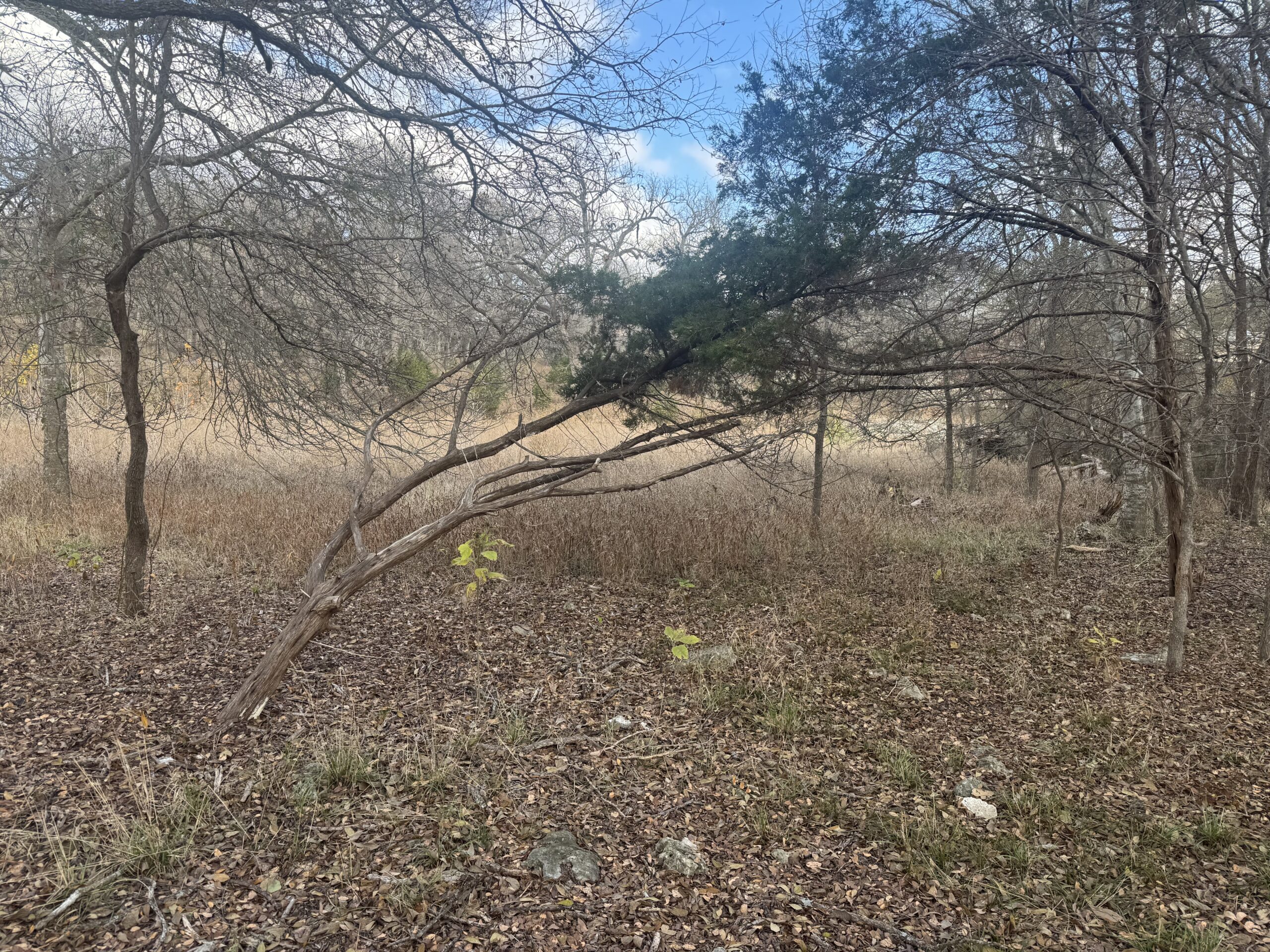
Yes—some leaning trees can be fixed, but others are already a safety risk and should be removed. The difference comes down to why the tree is leaning, how far it’s leaning, and when the lean started.
If you’ve ever walked outside after a storm and thought, “That tree didn’t used to look like that,” you’re not alone. Leaning trees are one of the most common concerns homeowners call us about—especially after heavy rain, strong winds, or soil saturation.
Let’s break down when a leaning tree can be saved, when it can’t, and what actually works in the real world.
Why Trees Start Leaning in the First Place
In real situations, trees rarely lean for just one reason. The most common causes we see include:
-
Soil saturation after heavy rain (roots lose their grip)
-
Wind damage that shifts the root plate
-
Shallow or damaged root systems
-
Poor planting depth when the tree was installed
-
Uneven canopy weight from unbalanced growth
-
Decay or rot at the base of the trunk
Real-world insight:
We often see trees that “suddenly” lean after storms—but the damage actually started years earlier underground. The storm just revealed the problem.
Can a Leaning Tree Be Fixed?
Sometimes—if you act quickly and the lean is minor.
Generally speaking:
-
A young tree that has leaned recently can often be corrected.
-
A mature tree that has shifted significantly is usually unsafe to fix.
Timing matters more than most people realize. If a tree has been leaning for months, the roots may have already broken or begun decaying.
When a Leaning Tree Can Be Saved
A tree is more likely fixable if:
-
The lean is less than 15 degrees
-
The tree leaned within the last few days
-
The roots are not exposed or cracked
-
The soil can be compacted back into place
-
The tree is young or recently planted
What actually works:
-
Carefully repositioning the tree
-
Proper staking (not over-staking)
-
Correct soil compaction
-
Addressing drainage issues
Mistake we see often:
Homeowners over-tighten straps or leave stakes on too long, which weakens the trunk instead of strengthening it.
When a Leaning Tree Should Be Removed
A tree is usually not safe to fix if:
-
The lean exceeds 15–20 degrees
-
Roots are visibly lifted or broken
-
The trunk shows cracks or decay
-
The tree leans toward a home, driveway, or power lines
-
The tree has leaned gradually over time (not suddenly)
Honest truth:
If a large tree has shifted at the base, trying to “save” it often creates a bigger hazard later—especially during the next storm.

Quick Reference Chart: Can a Leaning Tree Be Fixed?
| Tree Condition | Can It Be Fixed? | Risk Level | What Usually Works |
|---|---|---|---|
| Newly planted, slight lean | ✅ Yes | Low | Repositioning + staking |
| Young tree after storm | ⚠️ Sometimes | Medium | Root inspection + soil correction |
| Mature tree leaning suddenly | ⚠️ Rarely | High | Professional evaluation |
| Tree with exposed roots | ❌ No | Very High | Removal recommended |
| Tree leaning toward structures | ❌ No | Severe | Immediate removal |
| Long-term gradual lean | ❌ No | High | Removal or stump grinding |
Why Ignoring a Leaning Tree Is Risky
A leaning tree doesn’t usually fall without warning—but when it does, the damage can be severe. We’ve seen leaning trees:
-
Fall onto homes during mild storms
-
Uproot sidewalks and driveways
-
Pull up underground utilities
-
Collapse without strong winds due to root failure
If you’re questioning whether a tree is safe, that’s usually your sign to get it checked.

Professional Help Matters More Than DIY Here
Tree stabilization and removal aren’t cosmetic fixes—they’re safety decisions. A trained eye can tell the difference between a tree that’s stressed and one that’s dangerous.
Trees That Commonly Lean
-
Bradford pear – Shallow roots and weak branch structure make them notorious for leaning and splitting, especially after storms.
-
Willow trees – Fast growth and moisture-loving roots often lead to instability in soft or saturated soil.
-
Silver maple – Rapid growth creates top-heavy canopies with relatively shallow roots.
-
Leyland cypress – Dense foliage acts like a sail in strong winds, increasing the chance of lean.
-
Pine trees – Many species have shallow, wide-spreading roots that struggle in compacted or sandy soils.
-
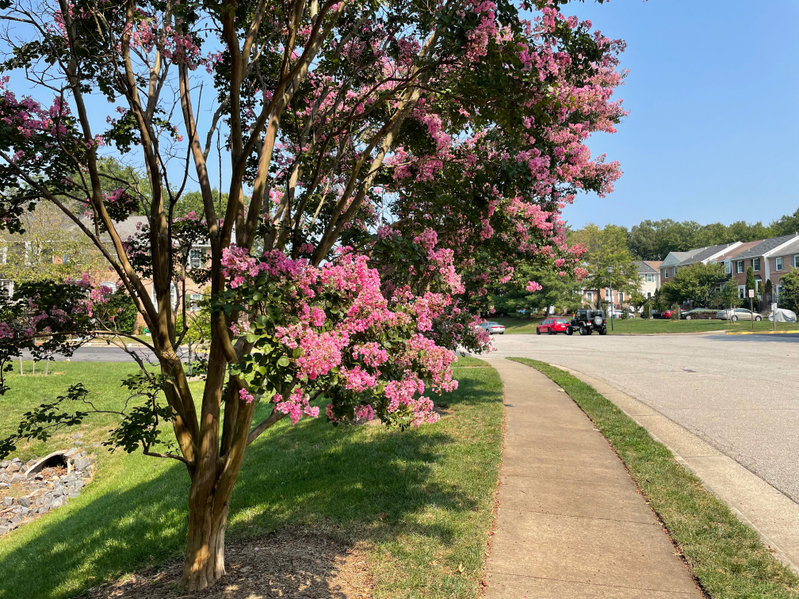
Crape myrtle – Multi-trunk growth can cause uneven weight distribution if not properly pruned early.
Why These Trees Lean More Often
-
Shallow root systems that don’t anchor deeply
-
Fast growth rates that outpace root development
-
Top-heavy canopies that catch wind
-
Poor soil drainage or erosion that weakens root hold
What We See in North Texas Yards
In North Texas, leaning issues often show up after heavy rains followed by high winds—the soil softens, roots lose grip, and trees that were already slightly off-balance begin to tip.
If you’re unsure whether a leaning tree is a natural growth habit or a safety risk, a professional inspection can determine whether it can be stabilized or needs removal.
Need Help With a Leaning Tree?
Torres Tree Service helps North Texas homeowners make the right call—whether that means saving a tree or removing it safely before it causes damage.
Professional tree removal when a leaning tree becomes a hazard. Complete stump grinding to eliminate trip hazards and regrowth.
We don’t push removals unless they’re necessary—but when they are, we handle them safely, efficiently, and responsibly.
Final Takeaway
So—can you fix a leaning tree?
-
Yes, if it’s young, recently shifted, and structurally sound
-
No, if roots are compromised, the lean is severe, or safety is at risk
When in doubt, don’t guess. A quick professional assessment can save you thousands—or prevent serious damage.
FAQ About Leaning Trees
How do you stabilize a leaning tree?
A leaning tree can sometimes be stabilized with proper staking, corrective pruning, and soil compaction around the root ball, but this only works if the roots are still mostly intact.
Will a leaning tree correct itself?
Most leaning trees will not straighten on their own, especially if the lean is caused by root damage, soil erosion, or storm impact.
Can leaning trees be saved?
Yes, young or recently leaning trees can often be saved if addressed quickly, but mature trees with severe root failure usually require removal for safety.
How much lean is too much for a tree?
As a general rule, a lean greater than about 15 degrees from vertical is considered dangerous and should be evaluated by a professional tree service.
michelle
As a seasoned content writer for the home services industry, I specialize in creating accurate and approachable articles on tree care and removal. With a bachelor’s degree in Human Development and Family Studies and a master’s in Education, I bring a thoughtful, research-driven approach to every piece. For the past four years, I’ve worked alongside certified arborists and experienced tree professionals to craft content that helps homeowners understand issues like root damage, tree health, pruning techniques, and safe removal practices.