Removing a tree from your property isn’t always as simple as grabbing a chainsaw and getting started. Between city ordinances, HOA rules, and protected species laws, homeowners are sometimes surprised to learn they can’t legally remove certain trees without permission.
Here’s what you need to know before cutting, plus how Torres Tree Service can help you remove trees safely, legally, and without the headaches.
Do I Need Permission to Remove a Tree on My Property?
Sometimes, yes. Local regulations often restrict tree removal for reasons related to safety, environmental health, stormwater management, and neighborhood property values. Whether you need approval depends on factors like:
-
Tree size (commonly measured by DBH — diameter at breast height)
-
Tree species (some are protected). Consult your municipality’s website for updated lists of protected tree species and permit requirements before removing any trees.
-
Whether the tree is in the front yard, easement, or setback area
-
Whether the tree is dead, hazardous, or damaging structures
-
Local zoning or HOA landscaping rules
This is why homeowners often call a certified arborist first — identification and documentation matter.
When Tree Removal Typically Requires a Permit
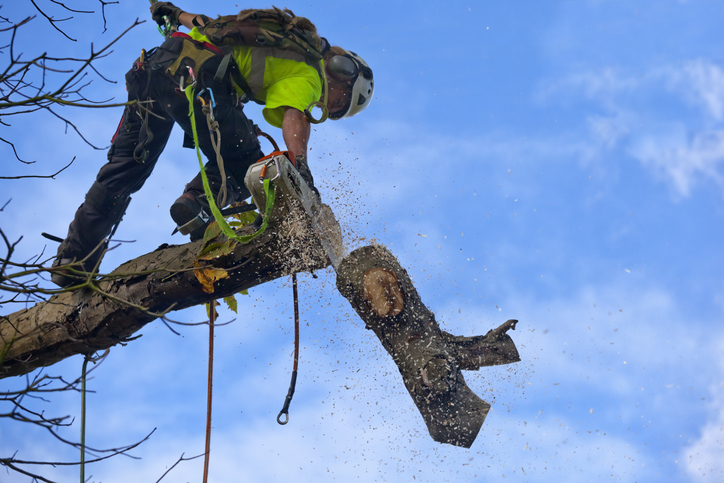
Many municipalities require permits when a tree is:
✔ Large/mature
✔ Protected or heritage species
✔ Located in the front yard or public-facing area
✔ Located in a designated conservation or habitat zone
✔ Contributing to stormwater or erosion control
Failure to obtain a required permit can result in fines and even forced replanting.

When You Can Usually Remove a Tree Without a Permit
Removal is typically allowed when the tree is:
✔ Dead or dying
✔ Structurally unstable or leaning
✔ Pest-infested beyond treatment
✔ Actively damaging foundations, plumbing, driveways, or sidewalks
✔ Creating safety hazards during storms or high winds
Even when a permit isn’t required, professional documentation can protect you from liability claims.
HOAs Have Their Own Rules Too
If your neighborhood has an HOA, there may be rules about:
-
Which trees can be removed
-
Approved replacement trees
-
Front yard appearance standards
-
Required pre-removal approval
HOA violations often carry financial penalties separate from city rules.
Tree Removal Liability: Who Pays for Damage?
Tree damage creates complicated legal questions. Generally:
-
If a tree is dead or neglected and falls, the owner may be liable.
-
If a healthy tree falls due to a storm, insurance typically handles it.
-
Trees growing on property lines may require shared approval to remove.
This is another reason homeowners involve arborists and insured tree removal companies — documentation matters when insurance enters the picture.
DIY Removal vs. Professional Removal
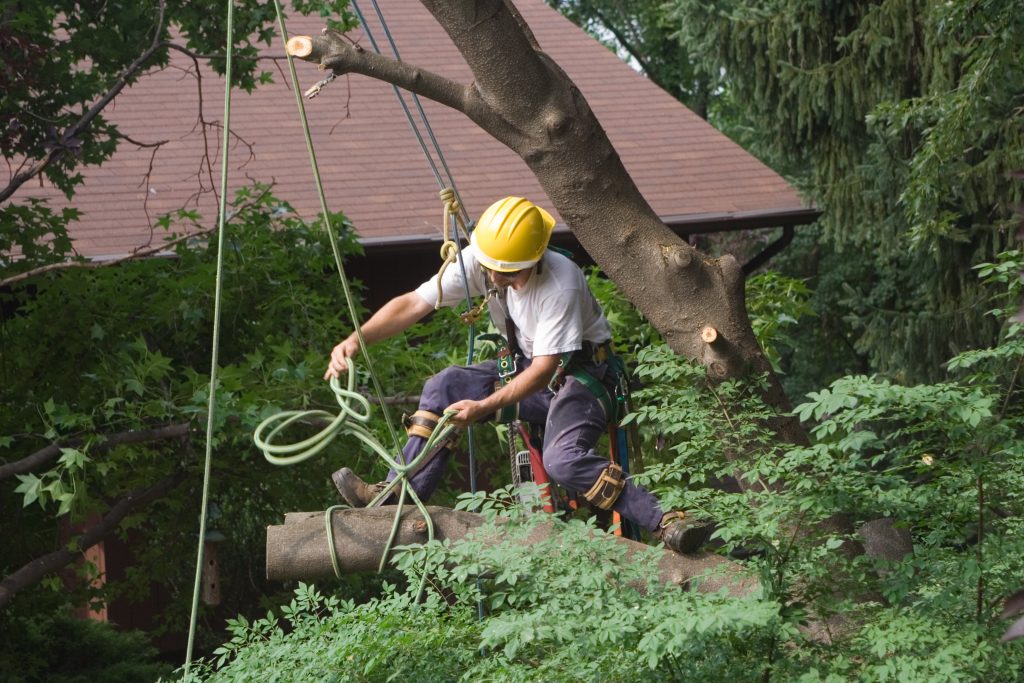
Tree removal is one of the most dangerous DIY tasks due to:
- Weight and lean forces
- Chainsaw kickback
- Unpredictable fall patterns
- Proximity to homes, power lines, and vehicles
Professional companies like Torres Tree Service bring:
- Safety equipment
- Certified arborists
- Rigging and climbing systems
- Insurance coverage
- Permitting support when needed
For anything beyond small ornamental trees, DIY removal can become more expensive — and risky — than hiring a professional. Read our guide and learn how to remove small trees from your yard.
Quick Decision Chart — Permit or No Permit?
| Situation | Permit Required? | Notes |
|---|---|---|
| Removing a dead tree | Usually no | Documentation recommended |
| Removing a large healthy tree | Often yes | Size & species rules matter |
| Front yard removal | Often yes | More regulated due to visibility |
| Backyard removal | Sometimes | Depends on DBH & species |
| Removing hazardous tree | Usually no | Must prove hazard exists |
| Removing protected species | Yes | Special rules apply |
| HOA-managed community | Yes (HOA approval) | Rules vary by community |
How Torres Tree Service Helps Homeowners
Torres Tree Service supports homeowners with:
✔ Professional inspection and species identification
✔ Hazard and health assessments
✔ Permit and HOA guidance
✔ Safe removal with industry-standard rigging
✔ Stump grinding and cleanup
✔ Fully insured crews for peace of mind
We handle both residential and commercial properties and can coordinate with insurance when storm damage is involved.
FAQ About Removing Trees from My Property
Can I remove any tree on my property?
Not always — size, species, and location matter.
Will a dead tree fall sooner?
Yes. Dead trees lose structural integrity and become highly brittle.
Will my insurance cover damage?
Storm-related damage is often covered; pre-existing neglect may not be.
Should I hire a professional tree removal company?
Yes for anything tall, heavy, or near structures or power lines.
Final Takeaway
Not all trees can be legally removed without approval, and even when removal is allowed, professional tree services reduce risk, liability, and unexpected costs. Before cutting, it’s smart to get an assessment from an experienced arborist or removal team.
If you’re unsure whether your tree can or should be removed, Torres Tree Service can assess the situation and guide you through the safest and most cost-effective solution.
Learn more or schedule a tree removal consultation here:
michelle
As a seasoned content writer for the home services industry, I specialize in creating accurate and approachable articles on tree care and removal. With a bachelor’s degree in Human Development and Family Studies and a master’s in Education, I bring a thoughtful, research-driven approach to every piece. For the past four years, I’ve worked alongside certified arborists and experienced tree professionals to craft content that helps homeowners understand issues like root damage, tree health, pruning techniques, and safe removal practices.